Reviewing the Five Month Baby Milestone SVG for Real Projects
As a designer who spends more time at the hoop than away from it, I approach every new digital embroidery file with a mix of curiosity and skepticism. We've all been there: you download a cute graphic, load it into your software, and realize halfway through stitching that the density is wrong or the details are too fine for the fabric. That's why I took a close look at the Five Month Baby Milestone SVG Design before committing it to a client project. This isn't just about whether the image looks good on a screen; it's about how it translates into thread, how it holds up after a wash, and whether it adds genuine value to a handmade product.
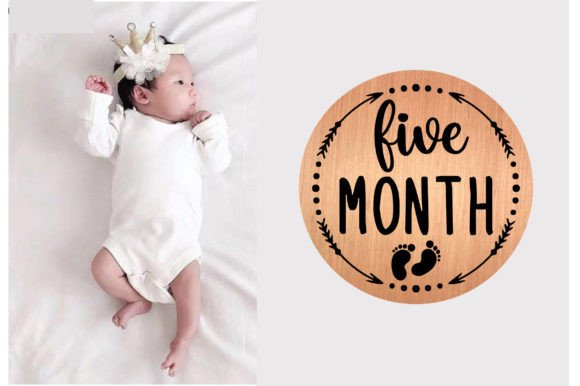
The first thing that strikes me about this design is its typographic personality. In the world of baby embroidery, trends shift quickly from overly ornate scripts to clean, modern sans-serifs, and back again. This particular file leans into an "awesome typography" style that feels contemporary yet timeless. It avoids the clutter often found in milestone designs, focusing instead on clear legibility. For a craft business owner, clarity is currency. If a customer can't read the month clearly from three feet away, the design has failed its primary function. The layout suggests a strong visual hierarchy, which is crucial when you are working with limited space on a onesie or a small patch.
Putting the Design to the Test: A Real-World Scenario
To truly evaluate this embroidery project, I imagined a specific use case that many of us face during the holiday season or baby shower rush: a custom embroidered sweatshirt for a proud parent. The goal was to create a cozy, high-quality keepsake that documents the baby's growth. I selected a mid-weight cotton blend fleece, a popular choice for sweatshirt embroidery because it offers stability without being too stiff.
Loading the Five Month Baby Milestone SVG Design into my digitizing software revealed the underlying structure. Since the source files include SVG, DXF, and EPS formats alongside the high-resolution PNG, there is flexibility here. However, as an embroiderer, I know that an SVG meant for cutting vinyl often needs adjustment before it becomes a flawless machine embroidery design. The typography appeared robust enough to handle satin columns, but I immediately noted areas where a fill stitch might be preferable to prevent gaps in larger letter sections. The design's mood is celebratory but understated, making it perfect not just for apparel, but also for nursery decor like pillow covers or wall hangings.
When I ran a test stitch-out on scrap fabric, the results were promising. The lines were crisp, and the spacing between characters allowed the fabric texture to breathe. This is a critical detail for custom apparel. If the stitch density is too high, the fabric puckers, and the garment becomes stiff and uncomfortable for a baby. This design seems to strike a balance, offering enough coverage to look professional while maintaining the softness required for baby items. For an Etsy seller, this balance translates directly to fewer returns and happier customers.
Navigating Fabric Challenges and Hoop Limitations
While the design shows great potential, practical application requires caution. Not every surface is created equal. If you are planning to use this on a textured fabric like a waffle knit towel or a thick terrycloth robe, you must consider how the stitch density interacts with the loops of the fabric. Fine details can get lost in high-pile textiles. In such cases, I recommend using a heavier cut-away stabilizer to provide a solid foundation, ensuring the letters don't sink into the material.
Another consideration is the hoop size. While the description mentions various file formats, it doesn't specify exact dimensions for every hoop size. Before starting a production run of tote bag designs or caps, you must verify that the design fits within your smallest hoop if you plan to offer multiple sizing options. Curved surfaces, like baseball caps, present their own challenges. The typography in this Five Month Baby Milestone SVG Design appears relatively linear, which works well on flat surfaces but might require distortion correction if applied to a structured cap front. Always run a test on the actual garment, not just a flat piece of cotton, to avoid costly mistakes.
Dark fabrics also demand attention. The design's visual appeal relies heavily on contrast. If you are stitching white thread on a navy blue sweatshirt, ensure your underlay stitches are sufficient to prevent the dark fabric from showing through the top threads. A lack of proper underlay can make even the best graphics look muddy and unprofessional. Testing the design in a black-and-white mockup before threading the machine can save you time and thread.
Commercial Viability and Brand Consistency
For those running a small shop product line or selling design assets, consistency is key. Does this design fit your brand aesthetic? The clean typography of this milestone marker suggests a modern, boutique vibe. It would pair exceptionally well with minimalist branding, appealing to parents who prefer subtle announcements over loud, flashy graphics. Using this design across a range of products—from embroidered patches to kitchen towels—can help build a cohesive collection that recognizes easily in a crowded marketplace.
Customer trust is built on the quality of the finished product. A milestone item is often a gift, intended to be kept for years. If the stitching unravels or the design fades after the first wash, it reflects poorly on your craftsmanship. The robust nature of the typography in this file suggests durability, provided the correct thread and stabilizer combinations are used. High-quality holiday embroidery or birthday gifts often become family heirlooms, so treating the digital file with the respect it deserves during the setup phase is essential.
Final Designer Notes and Best Practices
Before you list this item in your store or stitch it for a client, here are a few practical steps to ensure success. First, always check the licensing terms. The product description indicates it is suitable for commercial use, but confirming whether there are limits on the number of physical items you can sell is a smart move for any creative entrepreneur. Second, inspect the small details. Zoom in on the corners of the letters in your software. Are there any stray nodes or overlapping paths that could cause thread breaks? Cleaning up the vector file before converting it to a stitch file can prevent headaches later.
Experiment with thread colors to see how they affect the mood. While pastels are traditional for babies, a bold metallic thread could turn this into a stunning accent for a trendy tote bag. Finally, remember that context matters. This design shines as a focal point. Don't overcrowd it with other elements unless you are creating a complex scene. Let the typography do the talking.
In conclusion, the Five Month Baby Milestone SVG Design is a versatile asset for the modern maker. It bridges the gap between digital convenience and tactile beauty, offering a reliable foundation for a wide array of Crafts and Graphics projects. Whether you are a hobbyist making a gift for a friend or an apparel decorator fulfilling bulk orders, this design holds up under scrutiny. With the right preparation and a keen eye for detail, it can elevate your portfolio and delight your customers.