Review: Valentine's Day Leopard SVG Sublimation for Embroidery
As a designer who spends more time staring at stitch maps than most people care to admit, I approach every new file with a mix of curiosity and skepticism. When I first pulled up the Valentine s Day Leopard SVG Sublimation design on my screen, my initial reaction wasn't about the sublimation potential—though that is certainly valid for heat press users—but rather how this graphic would translate into a tangible machine embroidery design. The source file is listed under Crafts and Graphics, providing AI, EPS, SVG, and PNG formats. For us embroiderers, that vector data is the golden ticket. It means we aren't stuck with a pixelated mess; we have clean lines ready to be converted into satin stitches, fill stitches, and running stitches that hold up under the needle.
The Visual Personality: Wild Meets Romantic
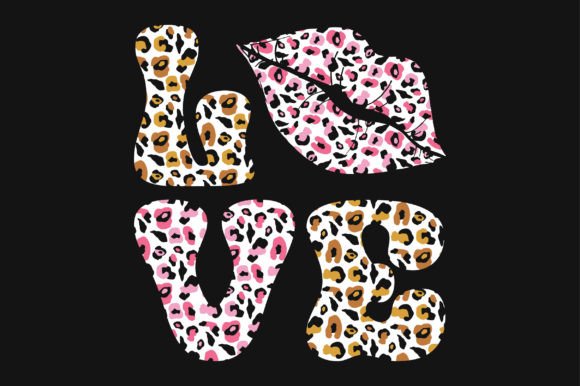
The mood of this piece is immediately striking. It blends the fierce, organic chaos of a leopard print with the soft, recognizable shapes associated with Valentine's Day. Visually, it creates a tension that works surprisingly well. It's not the typical saccharine sweet heart design you see everywhere in February. Instead, it offers an edge. The layout feels balanced, with the animal print texture filling the negative space in a way that suggests depth without being overly dense.
For a handmade product creator, this visual personality is crucial. It speaks to a customer who wants to celebrate the holiday but perhaps identifies more with a bold, modern aesthetic than traditional lace and roses. When I imagine this stitched out, the contrast between the sharp edges of the spots and the curves of the overall shape promises excellent definition, provided the digitizing is handled with care.
Real-World Application: The Boutique Sweatshirt Test
To truly evaluate the Valentine s Day Leopard SVG Sublimation file, I mentally ran it through a real-life scenario I face often: a custom order for a local boutique needing a limited-run sweatshirt embroidery collection. The client wanted something that felt festive but wearable beyond a single day.
If I were to use this design here, I would likely place it as a left-chest logo or a larger back graphic on a heavyweight fleece. The vector nature of the file, described as being made with "100 vector sha" (shapes), implies that scaling should be clean. However, in embroidery, scaling down too much can kill the detail. For a sweatshirt, the fabric texture is forgiving, allowing the stitch density to breathe. I envision using a metallic gold or deep crimson thread for the outline to make the leopard spots pop against a heather grey or black garment. This isn't just a personalized gift; it's a statement piece that could drive sales for an Etsy seller looking to differentiate their small shop product from the sea of generic Valentine's items.
Versatility Across Products
Beyond apparel, this design has legs in the home decor sector. Imagine this stitched onto a linen tote bag design or a canvas apron. The graphic nature of the leopard print translates beautifully into an embroidered patch application, which could then be sewn onto denim jackets or backpacks. For those running a craft business, the ability to offer this as a holiday embroidery option for nursery decor or even kitchen towels adds significant value. It moves the needle from a simple seasonal item to a year-round accent, as leopard print never really goes out of style.
Technical Considerations and Stitching Challenges
While the aesthetic is strong, practical execution requires vigilance. Since the original file is a vector graphic intended for sublimation, converting it to an embroidery file requires a skilled digitizer or careful software manipulation. Here is where the rubber meets the road.
- Stitch Density: Leopard prints rely on irregular shapes. If the fill stitch is too dense, the fabric will pucker, especially on stretchy materials like t-shirts. Conversely, if it's too light, the fabric underneath might show through, ruining the color contrast.
- Small Details: The tiny corners of the spots are potential trouble zones. On a small hoop size or when stitching on a curved surface like a cap, these fine points can become bird nests if the underlay isn't sufficient.
- Fabric Texture: This design shines on stable fabrics like cotton twill, denim, or heavy fleece. Using it on thin, slippery fabrics or highly textured towels without the right stabilizer could result in a muddy finished product.
- Color Contrast: The description notes it is "Easy to change colors." In embroidery, this is vital. You must test your thread colors against your specific fabric background. A dark thread on dark fabric will vanish; ensure there is enough separation to maintain the pattern's integrity.
Advice for Commercial Use
For commercial embroidery projects, consistency is key. Before committing to a large run, always test the design on scrap fabric identical to your final product. Check how the design looks in black and white mockups to ensure the value range holds up without color reliance. If you are an apparel decorator selling finished goods, verify the licensing terms explicitly. While the file includes formats suitable for editing, selling the digital file itself versus the physical stitched item often carries different restrictions. Always confirm whether the license covers unlimited physical sales or if there are caps on production runs.
Final Verdict on Value and Appeal
The Valentine s Day Leopard SVG Sublimation design offers a fresh take on a saturated market. Its strength lies in its versatility and bold visual identity. For the creative entrepreneur, it represents an opportunity to create high-perceived-value items. A simple tote bag becomes a fashion accessory; a plain pillow cover becomes a conversation starter.
However, its success depends entirely on the translation from vector to thread. It demands respect for the mechanics of embroidery. Do not assume the SVG will stitch perfectly out of the box without digitizing adjustments for your specific machine and thread palette. Treat it as a robust foundation rather than a finished solution. With the right stabilizer, thoughtful thread selection, and attention to stitch direction, this design can elevate your brand's presentation and engage buyers looking for something uniquely spirited. It is a solid asset for any designer's library, provided it is handled with the technical precision that professional embroidery requires.