Farmhouse Kitchen SVG: A Designer's Review for Embroidery
As someone who spends hours digitizing, stitching, and critiquing designs for client projects, I approach every new embroidery file with a mix of excitement and skepticism. We've all been there: you buy a beautiful graphic online, load it into your software, and realize the lines are too close together or the details will vanish under a satin stitch. That is why I took a close look at the Farmhouse Kitchen - Farmhouse Svg before committing it to a real-world project. This isn't just about whether the image looks cute on a screen; it is about how it translates into thread, fabric, and ultimately, a finished product that holds up to wear and washing.
First Impressions: Mood and Visual Personality
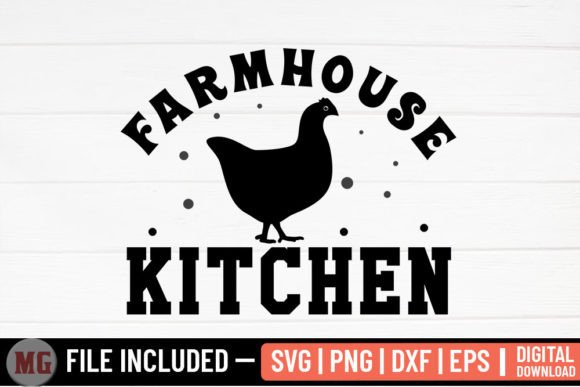
When I first opened the files included in the zip—specifically the SVG, PNG, EPS, and DXF formats—the immediate vibe was exactly what you would expect from the category: warm, inviting, and rustic. The design captures that specific "modern farmhouse" aesthetic that dominates home decor right now. It feels less like a corporate logo and more like something you would see stenciled on a wooden sign in a cozy kitchen.
From a Crafts and Graphics perspective, the layout appears balanced. The shapes are distinct enough to suggest that, once digitized properly, they won't bleed into each other. However, as an embroidery designer, my brain immediately starts converting these vector lines into stitch types. I'm looking at the curves and wondering where a running stitch would add texture versus where a dense fill stitch might be necessary. The visual personality is strong, making it an excellent candidate for projects that need to feel handmade and personal rather than mass-produced.
Real-World Application: The Tote Bag Test
To truly evaluate this design, I imagined a specific scenario: a custom order for a local boutique needing a set of heavy canvas tote bag designs for a spring market. The client wanted something that screamed "home" without being overly cluttered. The Farmhouse Kitchen - Farmhouse Svg fits this brief perfectly. Because the design likely relies on clear silhouettes and perhaps some typographic elements (common in this style), it scales well on a larger surface area like a tote.
If I were stitching this onto a 100% cotton canvas, I would lean towards using a matte finish rayon or polyester thread to keep with the rustic theme. Glossy threads might clash with the "farmhouse" mood. The design's simplicity allows the fabric texture to peek through slightly, which adds to the charm. For a small shop product, this kind of thoughtful execution builds customer trust. It shows that the maker cares about the cohesion of the design and the material, not just slapping a graphic onto a bag.
Versatility Across Products
Beyond tote bags, this asset has legs for various commercial embroidery applications. I can easily see this working as a central motif on a linen tea towel or a flour sack towel, which are staples in farmhouse decor. For custom apparel, imagine this embroidered on the pocket of a denim shirt or the chest of a neutral-colored sweatshirt. The sweatshirt embroidery trend is huge right now, and designs that aren't overly complex tend to sell better because they look chic rather than busy.
For those running an Etsy seller shop focused on nursery items, this could be adapted for baby embroidery projects, perhaps on a bib or a muslin blanket, provided the scale is reduced appropriately. It also works well for holiday gifts; think of an apron for a hostess gift or a pillow cover for a housewarming present. The key is that the design feels timeless enough to not date the handmade product too quickly.
Technical Considerations and Stitching Challenges
While the design is promising, there are areas where caution is required. If you plan to use this on a curved surface like a cap, you must be wary of how the design distorts. Caps are tricky, and if the Farmhouse Kitchen - Farmhouse Svg has wide horizontal elements, they might pull awkwardly over the front panel. Similarly, if the design includes fine lettering or tiny decorative accents, these could get lost if the stitch density is too high or if the hoop size forces the design to be scaled down too small.
Textured fabrics are another consideration. While linen and canvas are great, using this on a fuzzy fleece or a highly textured knit might obscure the finer details of the cut files. In those cases, an applique design approach might be better than direct stitching, using the SVG to cut a fabric patch that is then stitched down. This adds dimension and solves the issue of the background fabric interfering with the design clarity.
Dark fabrics present their own challenge. If the original graphic relies on light colors or negative space, you will need to carefully select thread colors that pop against a navy or black garment. A test run on scrap fabric is non-negotiable here. You need to see how the underlay performs and whether the top stitches provide enough coverage without becoming too stiff.
Enhancing Brand Value and Professionalism
Using a well-chosen design like this directly impacts your brand consistency. When customers see a cohesive look across your printable mockup images and the actual embroidered patch or garment, it signals professionalism. The Farmhouse Kitchen - Farmhouse Svg offers a level of polish that elevates a simple item into a boutique-quality good. It helps in creating recognition; if you use this style consistently in your marketing and products, buyers begin to associate that specific aesthetic with your shop.
Furthermore, the "giftability" factor is high. Items featuring this design feel thoughtful and curated. Whether it is for holiday embroidery seasons or wedding gifts, the emotional connection to the "home" theme resonates with buyers. It transforms a generic item into a personalized keepsake.
Practical Notes for the Embroidery Designer
Before you start stitching, here are a few actionable steps to ensure success with these design assets:
- Digitize with Care: Since you are receiving vector files (SVG, EPS, DXF), you will likely need to digitize them yourself or have them converted into a machine-readable format. Pay close attention to stitch direction; following the natural flow of the "farmhouse" shapes will improve the final look.
- Check the Details: Inspect the smallest elements in the vector file. If lines are too close, widen them slightly to prevent thread bunching.
- Stabilizer Selection: For stretchy fabrics like t-shirts, use a cut-away stabilizer to prevent distortion over time. For stable fabrics like towels, a tear-away might suffice.
- Mockup Testing: Create black and white mockups to check contrast. Ensure the design stands out even without color.
- Licensing Verification: Always confirm the licensing terms provided with the download. Ensure you are cleared for commercial use if you plan to sell finished items or digital derivatives.
- File Formats: Utilize the PNG for quick previews or website graphics, but rely on the SVG or EPS for clean scaling during the digitizing process.
In conclusion, the Farmhouse Kitchen - Farmhouse Svg is a versatile and charming addition to any designer's library. It bridges the gap between digital convenience and tactile warmth. With the right preparation, attention to stitch density, and thoughtful material selection, it can become the centerpiece of a successful craft business item or a cherished personalized gift. It reminds us that even in a digital age, the imperfections and textures of embroidery are what make a product truly special.